
Introduction
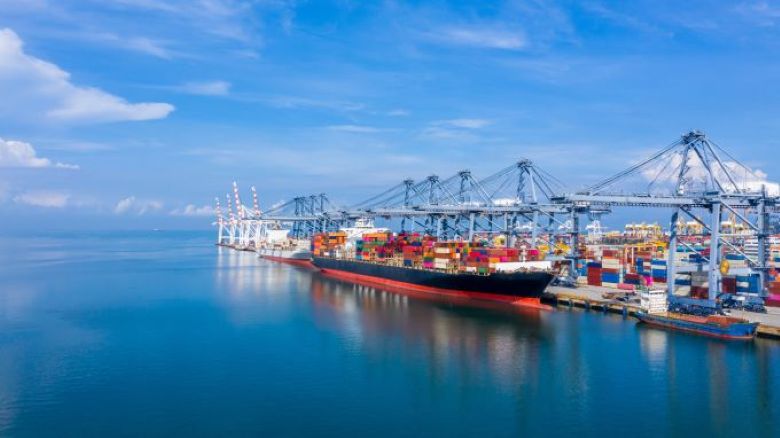
Methanol has rapidly grown into one of the most commercially viable alternative marine fuels, driven by tightening global emissions targets and practical handling advantages. Ongoing geopolitical tensions and fuel supply disruptions have further accelerated the shift towards alternative fuels.
However, the maritime legal community recognised that there were ‘gaps’ relating to methanol bunkering, particularly in relation to methanol’s safety and custody-transfer risks. Having completed the world’s first ship-to-containership methanol bunkering trial operation in June 2023, Singapore sought to pioneer and create provisional standards, with a focus on safety, for the processes involved in methanol bunkering and launched the Technical Reference (TR) 129 on Methanol Bunkering (“TR 129“) in March 2025. TR129 was prepared by the 38-member Working Group on Methanol Bunkering set up by the Technical Committee on Bunkering (Ambient Liquid Fuels) under the purview of the Chemical Standards Committee, Singapore Standards Council, as part of the national standardisation programme administered by Enterprise Singapore. The Working Group included Rajah & Tann Singapore LLP Partner, Winston Kwek. TR129 will be reviewed and adopted as a Singapore Standard after three years, if found suitable.
At the same time, there remained the issue of standard bunker contracts, as existing contracts such as BIMCO’s Bunker Terms 2018 are designed for oil-based fuels rather than methanol’s unique properties and risks. To address this lacuna, the Singapore Chamber of Maritime Arbitration (“SCMA“) has introduced the Singapore Form for Methanol Bunkering (“Singapore Form“). The Singapore Form is the world’s first standard-form contract designed specifically for methanol bunkering, incorporating Singapore’s provisional technical standards in TR129 into a practical, commercial framework.
The Singapore Form was developed by the SCMA-Maritime and Port Authority of Singapore (“MPA“) Methanol Working Group (“Working Group“), chaired by Kendall Tan, Partner at Rajah & Tann Singapore LLP and Practice Leader for the Shipping Regional Practice Group for the Rajah & Tann Asia network. The Working Group comprises shipowners, bunker suppliers, lawyers and regulators, including key SCMA representatives, Bernice Yeoh and Melissa Kor. Winston Kwek was a key member and contributor to the Working Group as well.
The Singapore Form marks the latest step in Singapore’s advancement as a global leader in sustainable maritime transition.
This Update highlights they key features of the Singapore Form and what participants in the methanol bunkering chain should be aware of.
Key Features of the Singapore Form
The Singapore Form consists of a bunker order confirmation (“Contract“) as its main component. The Contract expressly incorporates the accompanying Singapore Methanol Bunkering Annex 2025 and the Seller’s Terms and Conditions of Sale.
Some of the more notable features of the Singapore Form are summarised below.
Mandatory Compliance with TR 129
The Singapore Form provides that the bunkering operation shall follow the procedures prescribed by TR 129, thereby adopting the applicable standards and best practices from TR 129 as contractual obligations. TR 129 sets out safety protocols, custody transfer, and mass flow measurement standards in the methanol bunkering process.
Quality and Specification
The quality and specification regime under the Singapore Form requires the methanol supplied to comply with the latest edition of ISO Standard 6583, the international specification for methanol as a marine fuel. The Singapore Form also requires the seller to provide sustainability certificates issued by a sustainability standard that has been agreed to between the parties and recognised by the MPA.
Specialised Sampling Procedure
The Singapore Form specifies that all sampling procedures shall comply with the TR 129 sampling procedure, which was specifically developed with methanol in mind, considering the flammability and toxicity of methanol fuel.
Bunkering Documentation
The Singapore Form incorporates the banking documentation requirements under TR 129, which set out a list of documents that various stakeholders in the bunkering operation are to prepare. For example, after delivery is completed and quantities are measured, the seller is to issue Electronic Bunker Delivery Notes by email, with acknowledgement by the vessel’s master or chief engineer.
The Singapore Form also sets out timelines for notification of disputes. Quantity disputes must be raised in the prescribed form within 14 days from delivery, and quality disputes within 30 days.
Dispute Resolution
The Singapore Form commends arbitration at the SCMA as its primary dispute-resolution option, in accordance with the Arbitration Rules of the SCMA current as at the commencement of the arbitration. This arbitration clause in the Singapore Form is governed by Singapore law.
Concluding Words
The launch of the Singapore Form is another milestone in Singapore’s adoption of methanol as an alternative fuel. Parties along the methanol bunkering chain (including producers, suppliers, logistics and infrastructure operators, end-users and shipowners) should utilise the benefits of a bunkering form that is specifically catered to the unique nature of methanol.
Parties should be aware of the key features of the Singapore Form and ensure compliance with its provisions, including:
- Standards: Parties should take note of the incorporated standards (TR 129 and ISO Standard 6583) and the mandatory nature of compliance required.
- Timelines: Parties should note the relevant timelines for notification of disputes to ensure that they comply with the same.
- Documentation: Electronic Bunker Delivery Notes must be incorporated into the documentation process.
If you have any queries on the above, please reach out to our team set out on this page.
For regional bunkering and other maritime matters, please see Rajah & Tann Asia’s Regional Shipping Practice for more information.
Disclaimer
Rajah & Tann Asia is a network of member firms with local legal practices in Cambodia, Indonesia, Lao PDR, Malaysia, Myanmar, the Philippines, Singapore, Thailand and Vietnam. Our Asian network also includes our regional office in China as well as regional desks focused on Brunei, Japan and South Asia. Member firms are independently constituted and regulated in accordance with relevant local requirements.
The contents of this publication are owned by Rajah & Tann Asia together with each of its member firms and are subject to all relevant protection (including but not limited to copyright protection) under the laws of each of the countries where the member firm operates and, through international treaties, other countries. No part of this publication may be reproduced, licensed, sold, published, transmitted, modified, adapted, publicly displayed, broadcast (including storage in any medium by electronic means whether or not transiently for any purpose save as permitted herein) without the prior written permission of Rajah & Tann Asia or its respective member firms.
Please note also that whilst the information in this publication is correct to the best of our knowledge and belief at the time of writing, it is only intended to provide a general guide to the subject matter and should not be treated as legal advice or a substitute for specific professional advice for any particular course of action as such information may not suit your specific business and operational requirements. You should seek legal advice for your specific situation. In addition, the information in this publication does not create any relationship, whether legally binding or otherwise. Rajah & Tann Asia and its member firms do not accept, and fully disclaim, responsibility for any loss or damage which may result from accessing or relying on the information in this publication.